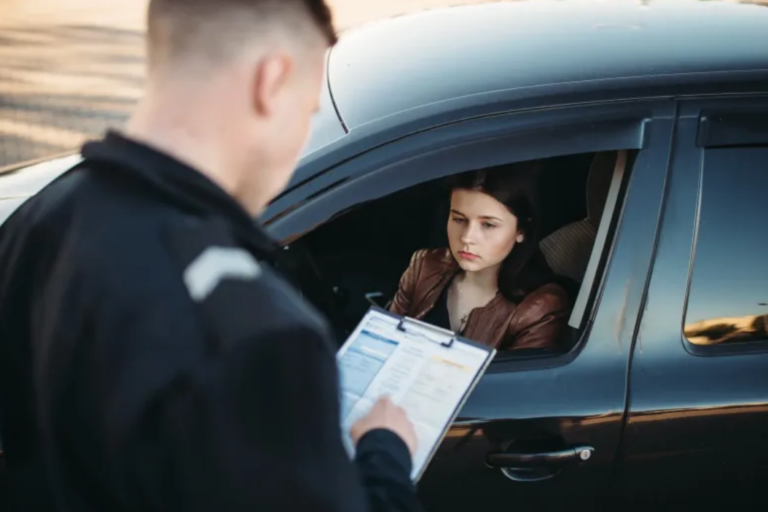
Being arrested for driving under the influence (DUI) can be one of the most stressful experiences a driver faces. Many DUI cases rely heavily on breathalyzer test results. Law enforcement officers often treat these results as strong evidence of intoxication. However, breathalyzer machines are not perfect. Errors in calibration, maintenance issues, improper administration, and medical conditions can all affect test accuracy.
A skilled DUI lawyer for breathalyzer test defense understands how to challenge questionable evidence and protect the rights of the accused. In many situations, an experienced attorney may identify weaknesses in the prosecution’s case that could lead to reduced charges, suppressed evidence, or even dismissal.
This comprehensive guide explains how breathalyzer tests work, common problems associated with them, legal defense strategies, attorney costs, benefits of hiring legal counsel, and answers to frequently asked questions.
The Problem: Why Breathalyzer Evidence Can Be Challenging
Understanding Breathalyzer Tests
A breathalyzer measures Blood Alcohol Concentration (BAC) by analyzing alcohol molecules present in a person’s breath.
Most states consider a BAC of 0.08% or higher as evidence of impaired driving.
Although breathalyzer devices are widely used, they are not infallible.
Common Problems with Breathalyzer Tests
1. Improper Calibration
Breathalyzer devices require routine calibration.
If calibration is overdue or performed incorrectly, the results may become unreliable.
2. Operator Error
Officers must follow strict procedures before administering a breath test.
Mistakes can include:
- Failure to observe the driver before testing
- Incorrect device operation
- Recording errors
- Improper documentation
3. Medical Conditions
Certain medical conditions may cause falsely elevated readings:
- Acid reflux
- GERD
- Diabetes
- Ketoacidosis
- Certain respiratory disorders
4. Environmental Interference
Breathalyzer machines can be affected by:
- Paint fumes
- Cleaning chemicals
- Industrial solvents
- Electronic interference
5. Mouth Alcohol Contamination
Recent consumption of:
- Mouthwash
- Breath spray
- Certain medications
may create residual alcohol in the mouth, producing inaccurate BAC readings.
Why DUI Charges Can Have Serious Consequences
A DUI conviction may result in:
- Driver’s license suspension
- Jail time
- Heavy fines
- Mandatory alcohol education programs
- Increased insurance premiums
- Criminal record
- Employment challenges
For commercial drivers and professionals, the consequences can be even more severe.
Solution: Hiring a DUI Lawyer for Breathalyzer Test Defense
What Does a DUI Lawyer Do?
A DUI attorney analyzes every aspect of the arrest and investigation process.
Their objective is to identify weaknesses in the prosecution’s evidence and build the strongest possible defense.
Key Areas of Investigation
Police Conduct
Your lawyer may review:
- Traffic stop legality
- Officer observations
- Probable cause
- Constitutional rights violations
Device Maintenance Records
Breathalyzer machines must be:
- Regularly inspected
- Properly calibrated
- Maintained according to regulations
Maintenance records often reveal problems that can help the defense.
Training Certifications
The officer administering the test must be properly certified.
A defense attorney may challenge results if training requirements were not met.
Video Evidence
Dashcam and bodycam footage can reveal:
- Inconsistent officer statements
- Improper testing procedures
- Signs that the driver was not impaired

Effective Breathalyzer Defense Strategies
1. Challenging Calibration Records
An attorney may request:
- Calibration logs
- Maintenance reports
- Repair histories
Missing records can weaken the prosecution’s case.
2. Questioning Test Administration
The officer must follow established protocols.
Failure to do so may make the test inadmissible.
Examples include:
- Insufficient observation period
- Failure to replace mouthpieces
- Improper instructions
3. Challenging the Traffic Stop
If police lacked reasonable suspicion for the stop, evidence obtained afterward may be suppressed.
4. Medical Condition Defense
Medical experts may testify that certain health conditions affected the breath test result.
5. Rising Blood Alcohol Defense
Alcohol absorption varies among individuals.
A driver’s BAC may have risen after driving but before testing.
This can create reasonable doubt.
6. Alternative Explanations
Defense lawyers may argue that:
- Fatigue caused poor field sobriety performance
- Weather conditions affected driving
- Anxiety impacted behavior during the stop
Comparison: Fighting Alone vs Hiring a DUI Lawyer
| Factor | Without Attorney | With DUI Lawyer |
|---|---|---|
| Understanding Laws | Limited | Extensive |
| Court Procedures | Difficult | Professional Guidance |
| Evidence Review | Minimal | Comprehensive |
| Negotiation Skills | Weak | Strong |
| Potential Penalty Reduction | Lower Chance | Higher Chance |
| License Protection | Limited | Strategic Defense |
| Trial Representation | Self-Represented | Experienced Advocacy |
Hiring legal representation often significantly improves case outcomes.
How Lawyers Challenge Breathalyzer Technology
Machine Accuracy Issues
Breathalyzer devices estimate BAC indirectly.
Factors affecting accuracy include:
- Temperature
- Breathing patterns
- Device age
- Sensor condition
Scientific Limitations
No breathalyzer directly measures blood alcohol concentration.
Instead, it estimates BAC using conversion formulas.
Defense attorneys often use expert witnesses to explain these limitations.
DUI Defense Process Step-by-Step
Initial Consultation
The lawyer reviews:
- Arrest reports
- Breath test results
- Police statements
- Court deadlines
Evidence Collection
Attorneys gather:
- Video footage
- Calibration records
- Witness statements
- Medical documentation
Motion Practice
The attorney may file motions to:
- Suppress evidence
- Exclude breathalyzer results
- Dismiss charges
Negotiation
Many DUI cases are resolved through negotiations that reduce penalties.
Trial Preparation
If necessary, the lawyer prepares a comprehensive defense for trial.
Pricing: How Much Does a DUI Lawyer Cost?
Legal fees vary depending on:
- Case complexity
- Jurisdiction
- Attorney experience
- Trial requirements
Typical Fee Ranges
| Service | Estimated Cost |
|---|---|
| Initial Consultation | Free – $300 |
| Basic DUI Defense | $1,500 – $5,000 |
| Complex DUI Case | $5,000 – $15,000+ |
| DUI Trial Defense | $10,000 – $30,000+ |
While legal representation may seem expensive, the long-term costs of a DUI conviction often exceed attorney fees.
Benefits of Hiring a DUI Lawyer for Breathalyzer Test Defense
Protect Your Driving Privileges
A lawyer may help preserve your driver’s license through administrative hearings and court actions.
Reduce Financial Impact
Potential savings include:
- Lower fines
- Reduced insurance increases
- Avoided employment losses
Protect Your Criminal Record
An attorney may negotiate:
- Reduced charges
- Diversion programs
- Alternative sentencing
Expert Analysis
DUI attorneys understand:
- Scientific testing procedures
- Breathalyzer technology
- State DUI laws
Peace of Mind
Professional representation allows defendants to navigate the legal system with confidence.
Signs You Need Immediate Legal Representation
Contact a DUI lawyer immediately if:
- BAC exceeded 0.08%
- You refused testing
- An accident occurred
- Injuries were involved
- You hold a commercial driver’s license
- You have prior DUI convictions
Early intervention often creates more defense opportunities.
Common Mistakes After a DUI Arrest
Avoid:
Admitting Guilt
Statements can be used against you later.
Missing Court Dates
Failure to appear can create additional penalties.
Posting on Social Media
Prosecutors may review public content.
Delaying Legal Help
Important evidence may disappear quickly.
Frequently Asked Questions (FAQ)
Can a breathalyzer be wrong?
Yes. Calibration errors, operator mistakes, medical conditions, and environmental factors may affect accuracy.
Can DUI charges be dismissed if the breathalyzer was inaccurate?
Potentially. If significant errors are identified, the court may suppress or disregard the results.
How soon should I hire a DUI lawyer?
Immediately after arrest. Early representation provides the best opportunity to preserve evidence and protect your rights.
What if my BAC was above 0.08%?
A lawyer can still challenge the evidence and investigate procedural issues.
Can GERD affect breathalyzer results?
Yes. Acid reflux may introduce alcohol from the stomach into the mouth, potentially causing inflated readings.
Is refusing a breathalyzer test a good idea?
Refusal laws vary by state. Refusing may trigger administrative penalties, including license suspension.
Can I beat a DUI case with a high BAC?
Every case is unique. High BAC readings can still be challenged depending on the circumstances.
Will a DUI stay on my record forever?
This depends on state laws, eligibility for expungement, and the final outcome of the case.
Final Thoughts
Breathalyzer evidence may appear convincing, but it is not always accurate or legally reliable. Calibration problems, procedural mistakes, medical conditions, and constitutional violations can all create opportunities for a strong defense.
A knowledgeable DUI lawyer for breathalyzer test defense can thoroughly investigate the arrest, challenge questionable evidence, negotiate favorable outcomes, and protect your future. When facing DUI charges, taking action quickly can make a significant difference in the outcome of your case.
Call to Action (CTA)
If you have been arrested for DUI and a breathalyzer test is being used against you, consult an experienced DUI defense attorney as soon as possible. Early legal intervention can help preserve evidence, protect your driving privileges, and maximize your chances of achieving the best possible outcome.