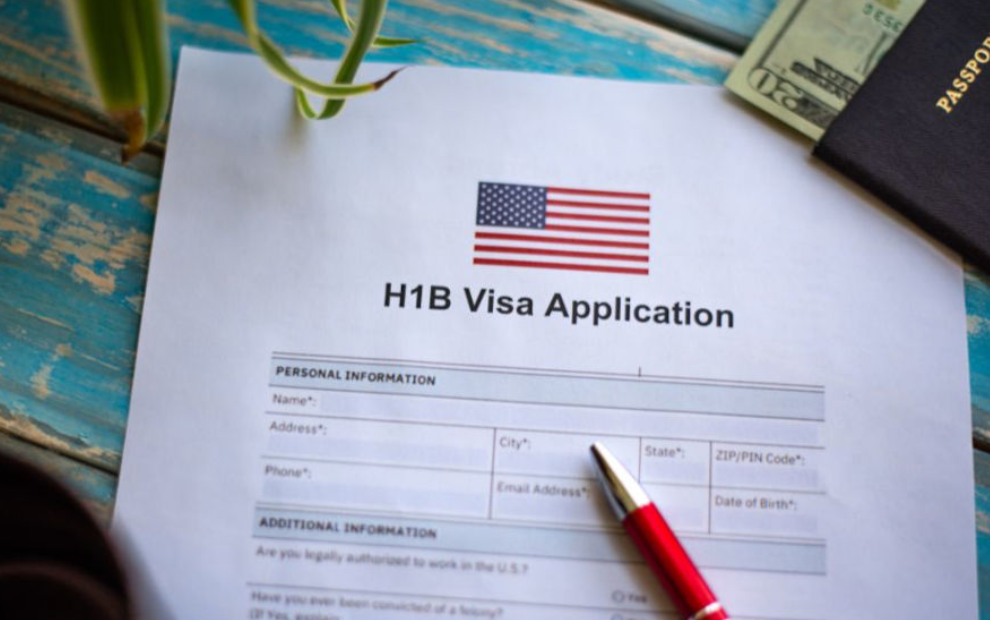
The H1B visa remains one of the most sought-after employment visas for foreign professionals who wish to work in the United States. Every year, thousands of highly skilled workers compete for limited visa slots, making the application process highly competitive and complex.
Whether you are an employer seeking international talent or a professional pursuing career opportunities in the U.S., hiring an experienced immigration lawyer for H1B visa applications can significantly improve your chances of success.
This comprehensive guide explains everything you need to know about H1B visa legal assistance, including common challenges, solutions, costs, benefits, comparisons, and frequently asked questions.
Understanding the H1B Visa
The H1B visa is a non-immigrant work visa that allows U.S. employers to hire foreign workers in specialty occupations requiring specialized knowledge and at least a bachelor’s degree or equivalent experience.
Common H1B professions include:
- Software Engineers
- Data Scientists
- Doctors
- Financial Analysts
- Accountants
- Engineers
- Architects
- Researchers
- IT Specialists
- Cybersecurity Experts
The visa typically allows employment in the United States for up to six years under specific conditions.
The Problem: Why H1B Applications Get Denied
Many applicants underestimate the complexity of the H1B process.
Common reasons for denial include:
1. Incomplete Documentation
Missing forms, incorrect supporting documents, or incomplete evidence can lead to delays or denials.
Examples:
- Missing degree evaluations
- Incorrect passport information
- Inadequate employment records
2. Specialty Occupation Challenges
The employer must demonstrate that the position requires specialized knowledge.
USCIS may question:
- Job duties
- Educational requirements
- Industry standards
3. Employer Compliance Issues
Employers must comply with federal labor requirements.
Common mistakes include:
- Incorrect wage calculations
- Labor Condition Application (LCA) errors
- Recordkeeping deficiencies
4. Request for Evidence (RFE)
RFEs are common in H1B cases.
USCIS may request:
- Additional educational proof
- Employer documentation
- Detailed job descriptions
- Project assignments
Improper responses often result in denials.
5. Lottery Selection Complexity
Because annual H1B demand exceeds available visas, most applicants enter a lottery system.
Errors during registration can invalidate applications.
The Solution: Hiring an Immigration Lawyer for H1B Visa Applications
An experienced immigration attorney helps navigate every stage of the process.
Initial Case Assessment
Lawyers evaluate:
- Eligibility
- Educational qualifications
- Job requirements
- Employer readiness
This assessment identifies potential issues before filing.
Strategic Case Preparation
Attorneys build stronger cases by preparing:
- Legal support letters
- Position analyses
- Educational equivalency reports
- Employer compliance documentation
USCIS Filing Accuracy
Lawyers ensure:
- Correct forms
- Accurate information
- Proper evidence
- Timely submission
This minimizes costly mistakes.
RFE Defense
If USCIS issues an RFE, attorneys can prepare persuasive responses supported by legal arguments and documentation.
Employer Compliance Guidance
Law firms help employers comply with:
- Department of Labor regulations
- Public access file requirements
- Wage obligations
- Worksite regulations

Step-by-Step H1B Visa Process
Step 1: Employer Sponsorship
The U.S. employer agrees to sponsor the foreign worker.
Step 2: H1B Registration
Electronic registration is submitted during the designated filing period.
Step 3: Lottery Selection
If selected, the employer may proceed with the full petition.
Step 4: Labor Condition Application
The employer files an LCA with the Department of Labor.
Step 5: Petition Filing
Form I-129 and supporting evidence are submitted.
Step 6: USCIS Review
USCIS evaluates the petition.
Possible outcomes:
- Approval
- Request for Evidence
- Denial
Step 7: Visa Stamping
If outside the U.S., the applicant attends a visa interview.
Step 8: Entry and Employment
After approval, the worker begins employment with the sponsoring company.
Comparison: DIY Filing vs Hiring an Immigration Lawyer
| Factor | DIY Filing | Immigration Lawyer |
|---|---|---|
| Legal Knowledge | Limited | Extensive |
| Documentation Accuracy | Moderate Risk | High Accuracy |
| RFE Management | Difficult | Professional |
| Compliance Support | Limited | Comprehensive |
| Approval Strategy | Basic | Advanced |
| Time Savings | Low | High |
| Employer Guidance | Minimal | Full Support |
Hiring legal representation often reduces errors and increases efficiency.
Pricing: How Much Does an H1B Immigration Lawyer Cost?
Legal fees vary depending on complexity and law firm experience.
Basic H1B Filing
Typical attorney fees:
$1,500 – $3,500
Complex Cases
Cases involving:
- RFEs
- Prior denials
- Multiple worksites
- Corporate restructuring
Typical fees:
$3,500 – $8,000+
Additional Government Fees
Employers may also pay:
- USCIS filing fees
- Fraud prevention fees
- ACWIA fees
- Premium processing fees (if selected)
Total costs can vary significantly based on company size and filing category.
Benefits of Hiring an Immigration Lawyer for H1B Visa Applications
Higher Approval Probability
Experienced attorneys understand USCIS expectations and prepare stronger petitions.
Reduced Risk of Denial
Proper documentation and legal analysis reduce avoidable mistakes.
Faster Preparation
Law firms streamline document collection and filing procedures.
Better RFE Responses
Professional legal responses can significantly strengthen challenged cases.
Employer Protection
Compliance guidance helps avoid government penalties.
Long-Term Immigration Planning
Many attorneys assist with:
- H1B extensions
- H4 visas
- PERM labor certification
- Employment-based green cards
Who Should Hire an H1B Immigration Lawyer?
Legal representation is especially valuable for:
Foreign Professionals
- First-time H1B applicants
- STEM graduates
- International students
- Experienced professionals
Employers
- Technology companies
- Healthcare organizations
- Engineering firms
- Financial institutions
- Startups hiring international talent
Key Documents Required for H1B Applications
Applicants typically need:
- Passport
- Resume
- Degree certificates
- Academic transcripts
- Employment records
- Professional licenses (if applicable)
Employers generally provide:
- Job offer letter
- Company information
- Wage details
- Position description
Common H1B Mistakes to Avoid
Waiting Too Long
The H1B process operates on strict timelines.
Weak Job Descriptions
Vague job duties often trigger RFEs.
Incomplete Academic Evaluations
Foreign degrees may require equivalency assessments.
Employer Compliance Violations
Failure to meet labor regulations can jeopardize approval.
Ignoring RFEs
Delayed or weak responses frequently result in denials.
How to Choose the Right Immigration Lawyer
Consider the following factors:
Experience
Look for attorneys with extensive H1B filing experience.
Success Record
Ask about approval rates and case volume.
Communication
Choose a lawyer who responds promptly and clearly.
Transparency
Ensure fees and services are clearly explained.
Technology
Modern firms often offer secure portals and document tracking systems.
Future Trends in H1B Immigration
The H1B landscape continues to evolve due to:
- Increased demand for skilled workers
- Technology sector growth
- Regulatory updates
- Remote work considerations
- Global talent competition
Employers increasingly rely on immigration counsel to remain compliant and competitive.
Frequently Asked Questions (FAQ)
What does an immigration lawyer do for an H1B application?
They prepare filings, review documents, ensure compliance, respond to RFEs, and provide legal strategy throughout the process.
Is hiring a lawyer required?
No. However, many employers and applicants use legal representation due to the complexity of immigration regulations.
Can a lawyer increase H1B approval chances?
A lawyer cannot guarantee approval but can strengthen the petition and reduce filing errors.
How long does the H1B process take?
Processing times vary depending on government workload and whether premium processing is used.
What happens if my H1B petition is denied?
Depending on the circumstances, you may appeal, refile, or explore alternative visa options.
Can an attorney help with a green card later?
Yes. Many immigration lawyers assist clients with employment-based permanent residency after obtaining H1B status.
Final Thoughts
Navigating the H1B visa system can be challenging for both employers and foreign professionals. Documentation requirements, compliance obligations, lottery procedures, and government scrutiny make professional legal guidance highly valuable.
An experienced immigration lawyer for H1B visa applications can help reduce risk, improve filing accuracy, manage RFEs, and provide long-term immigration planning strategies. For many applicants and employers, legal representation is an investment that offers peace of mind and a stronger path toward successful employment authorization in the United States.
Call to Action (CTA)
Planning to work in the United States or hire international talent? Consult an experienced immigration lawyer for H1B visa applications today to evaluate eligibility, prepare a stronger petition, and maximize your chances of approval.